Attachment Styles

You may have heard that the first 5 years of our lives are the most important. But why are the years that most of us don’t remember so critical?
Our experiences during those early years shape who we are and affect how we see ourselves and how we express and regulate our emotions. Experiencing adverse childhood experiences during those years could manifest into deep-rooted issues that shape our adult life and lead to the development of maladaptive coping strategies (e.g., substance abuse, binge eating, procrastination, intrusive thoughts, sexual promiscuity, etc.).
“If the parents get the first 5 years right, they can relax, if they don’t, they’ll be practicing remedy or parenting for decades.” — Gabor Maté
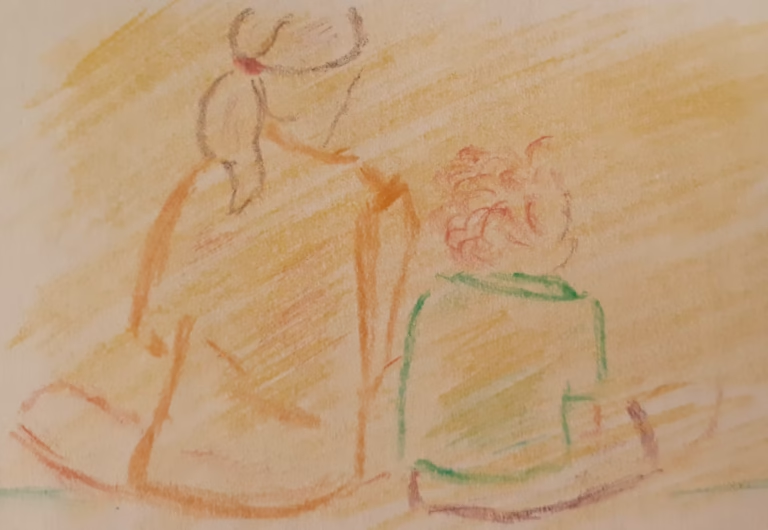
Another important reason why the first five years are so crucial is the development of attachment and the formation of our attachment style, which determines how we connect with other people throughout our lives and how we behave in those relationships.
There are four attachment styles:
- Secure
- Anxious (Preoccupied)
- Avoidant (Dismissive)
- Fearful (Disorganized)
Secure Attachment Style
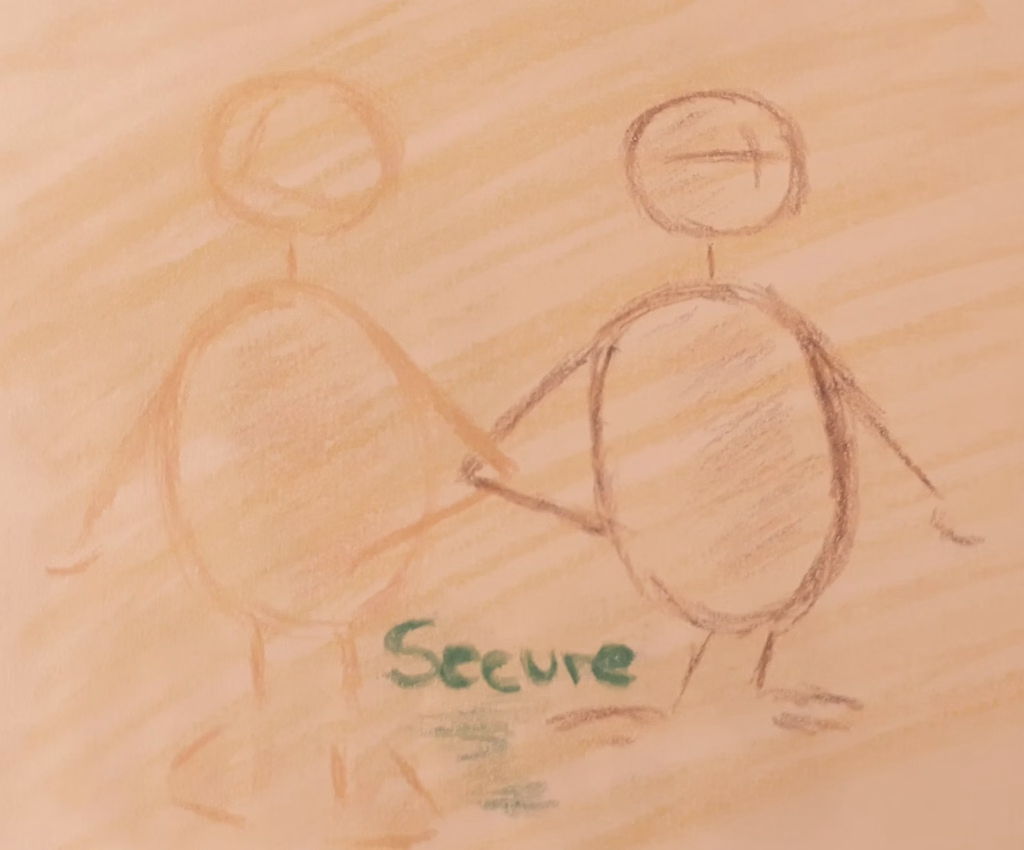
People with a Secure Attachment Style:
- Have a positive view of themselves and others
- Feel safe in their relationships and trust people
- Are comfortable with intimacy and closeness
- Are emotionally connected with themselves
- Are understanding of the needs and emotions of others
- Form strong attachments in adulthood with ease
- Understand the value of relationships and seek out support without becoming too dependent on other people
People who approach relationships with uncertainty and fear of being rejected or abandoned have formed one of the three Insecure Attachment Styles:
Anxious Attachment Style
People with an Anxious Attachment Style:
- Have a negative view of self
- Are preoccupied with their relationships and constantly worry that their partner or others will leave them
- Constantly seek out approval and reassurance from others
- Are overly dependent on their partners and find it challenging to make their own decisions
- Engage in protest behaviour to reestablish the connection with their partner
- Experience emotional highs and lows
- Are often described as ‘clingy’ and ‘needy’ by their partner

Avoidant Attachment Style
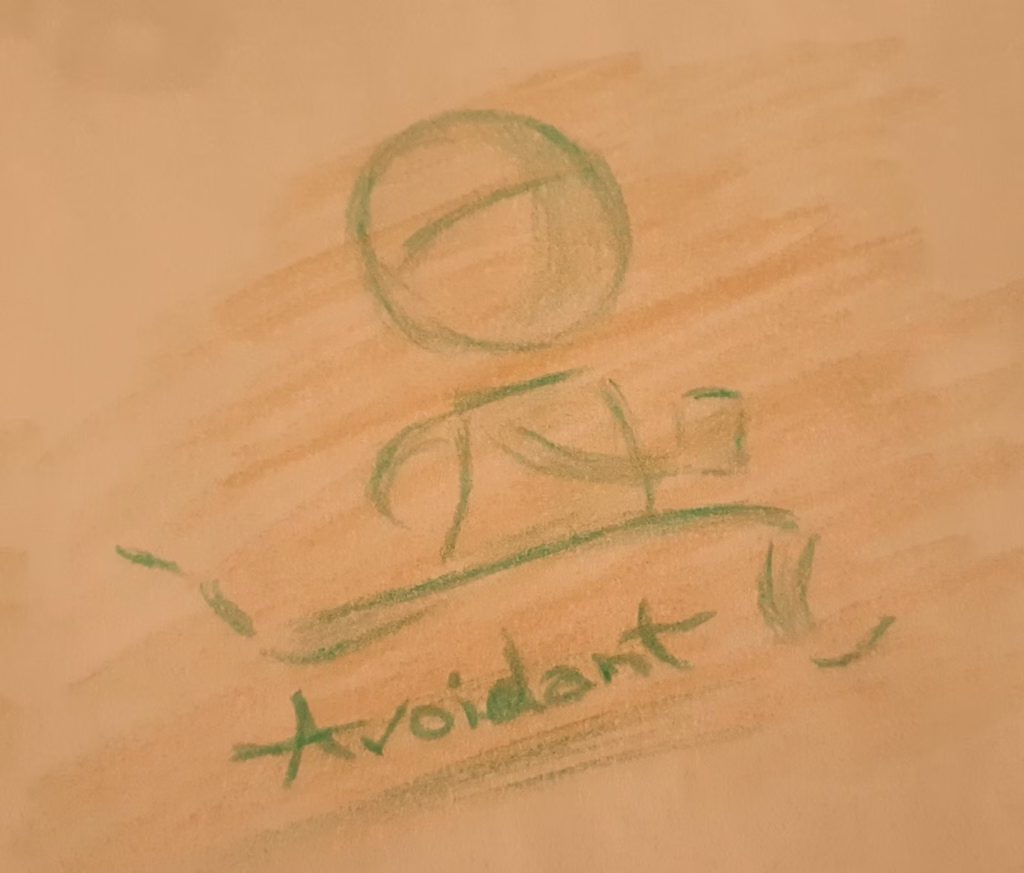
People with an Avoidant Attachment Style:
- Have a positive view of self
- Need to feel independent and self-sufficient
- Suppress their feelings and needs
- Find it challenging to form relationships with others
- Don’t trust others and don’t believe that their needs can get met in relationships
- Engage in deactivating strategies to avoid emotional closeness and intimacy
Fearful Attachment Style
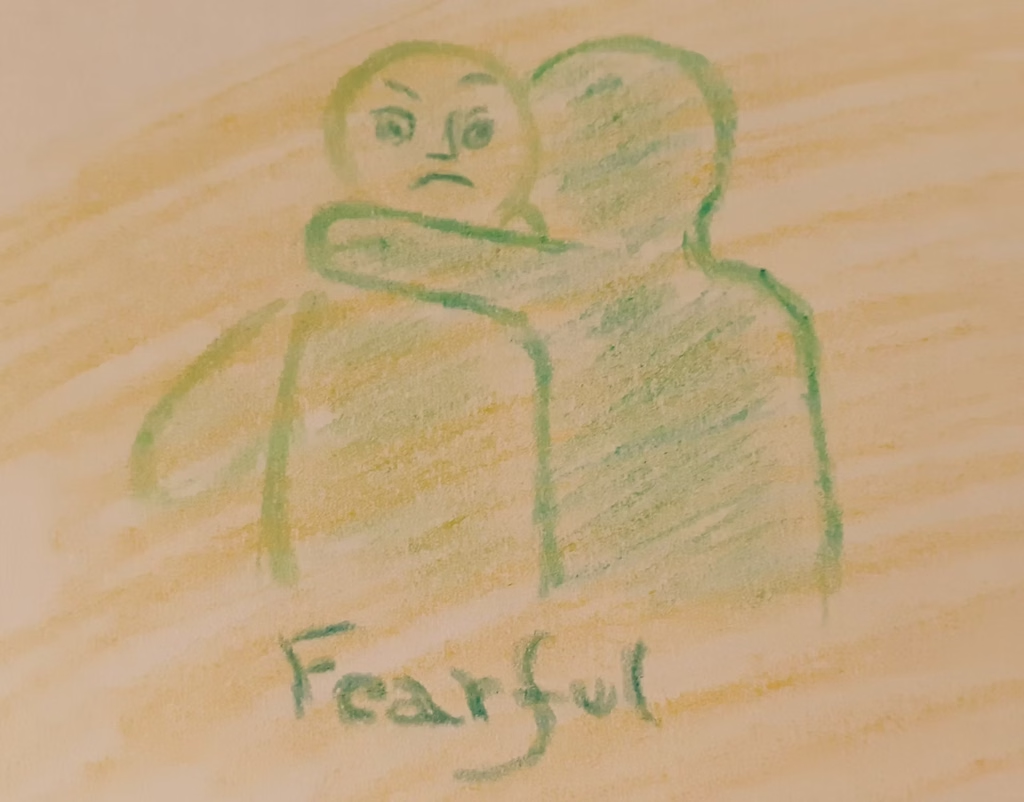
This attachment style is a combination of anxious and avoidant attachment styles. People with a Fearful Attachment Style:
- Have a negative view of self
- Have a deep fear of relationships
- Experience inner conflict—they want to connect with others but avoid closeness at all costs
- Find it difficult to regulate their emotions
- Experience extreme mood changes
- May display unpredictable and volatile behaviours
- Display heightened sexual behaviour
Exploring Your Attachment Style in Therapy
We all get affected by our early experiences to a certain extent. How these experiences continue to influence us can be difficult to comprehend.

I help my clients explore the long-lasting impact of their early childhood experiences. Moreover, I help them examine their relationship with their parents, as this relationship is a significant predictor of their adult attachment style. I also help clients identify their attachment style, and we explore how it shows up in their relationships by analyzing their ways of interacting and behaving in those relationships.
Please contact me directly to schedule a free 30-minute introductory session to find out if I’m the right person to help you improve your relationships with people in your life.
Further Reading
- Amir Levine and Rachel S. F. Heller (2011). Attached: The New Science of Adult Attachment and How It Can Help You Find and Keep Love.
- David Howe (2011). Attachment Across the Life Course.
- Diane Poole Heller (2019). The Power of Attachment.