What Is the Real Cause of Anxiety?
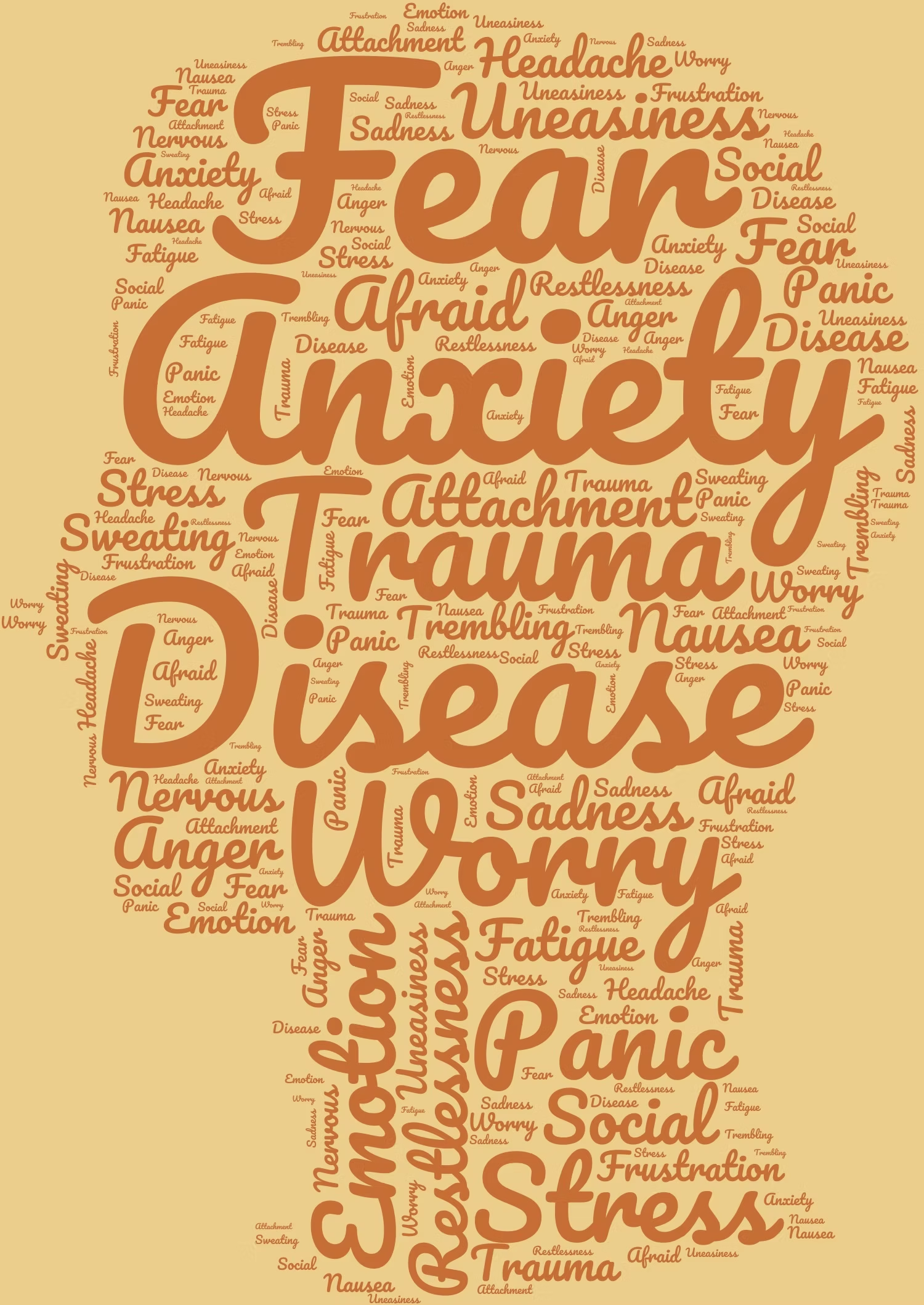
Anxiety is an emotion that is characterized by feelings of tension, unease, dread, or fear. This emotion is accompanied by intrusive and worried thoughts and physical changes in our body, such as sweating, increased blood pressure, rapid heartbeat, and dizziness.
We all experience anxiety at times. Feeling anxious is not pleasant to experience; however, we should be thankful for this defense system that alerts us to a threat in our environment. The threat might be real and obvious (e.g., job interview, exam, first date) or unknown (e.g., an emotional trigger we don’t recognize, such as feeling unlovable, abandoned, or rejected).
Common Causes of Anxiety
Even though feeling anxious is our body’s natural response to certain situations, experts can’t seem to agree on the exact cause of anxiety. Medical experts consider anxiety to be a mental health disorder that has a medical cause and can be linked to various medical problems (e.g., diabetes, heart problems, thyroid problems, and withdrawal from alcohol or drugs). On the other hand, scientists believe that anxiety is caused by genetics, and we may inherit it from one or both parents.
Other causes of anxiety include:
- Being raised by a parent who was anxious
- Stress and chronic stress
- Your current life situation (e.g., financial problems, problems in the workplace)
- Challenging life experiences (e.g., loss of a loved one)
- Drugs and alcohol
- Prescription medications
- Other mental health problems, such as depression
“Anxiety is not a disease, it’s an attachment alarm.” — Gabor Maté
The Link Between Childhood Experiences and Anxiety
I am not sure what the real cause of anxiety is. However, the anxiety that most of my clients experience originates in their adverse childhood experiences, such as emotional neglect, abuse, divorce, growing up with absent or emotionally unavailable parents, or parents with mental health or substance use challenges.
The parents’ inability to respond to their children’s physical or emotional distress leads to them experiencing the world and connecting with people as unsafe. It leads to them walking through their lives feeling intense anxiety.
Finding Support for Ongoing Anxiety
Please reach out and schedule a free 30-minute introductory session if you experience anxiety that feels excessive and ongoing and affects your ability to manage daily tasks and form healthy relationships with people. Together, we will identify the cause of your anxiety and help you develop strategies to manage your anxiety.
Additional Resources
- Caparrotta, M. (2020, September 24). Dr Gabor Maté on Childhood Trauma, The Real Cause of Anxiety and Our ‘Insane’ Culture. Human Window.
- Folk, J. (2023, January 9). Anxiety symptoms, causes, treatment. AnxietyCentre.com.